

The Catholic Church in Uganda has intensified its response to the worsening food crisis in Karamoja, a sub-region located in the northeastern corner of Uganda, bordering Kenya and South Sudan. Lira Diocese is mobilising food assistance for the most vulnerable families.
Fr Isaac Ojok – Lira
The crisis began to escalate between April and July this year after a prolonged drought destroyed crops, leaving many households without food and severely affecting their livelihoods.
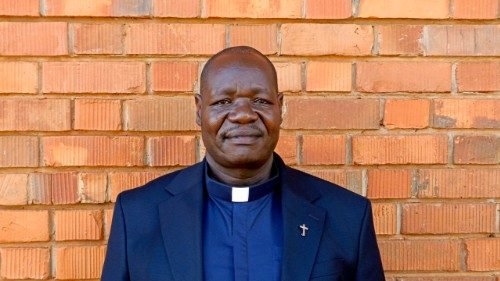
In response to the humanitarian situation, the Bishop of Kotido Diocese, Bishop Dominic Eibu, MCCJ, appealed to his brother bishops across the country to support the people of Karamoja through donations of food and other essential supplies.
National appeal
Following this diocesan appeal, the Chairman of the Uganda Episcopal Conference (UEC), Bishop Joseph Anthony Zziwa of Kiyinda-Mityana Diocese, called on all bishops in their respective dioceses to organise relief efforts for the people of Kotido and Moroto dioceses, where thousands of families continue to face acute food shortages.
Responding to this call, Lira Diocese, together with other dioceses across Uganda, has launched a diocesan-wide campaign encouraging Christians to donate food items as an expression of Christian charity and solidarity with their brothers and sisters in Karamoja. The initiative aims to provide immediate relief to families affected by the prolonged drought while demonstrating the Church’s commitment to caring for those most in need.
Lira Diocese’s response
In Lira Diocese, the campaign is being coordinated by Caritas Lira Diocese, the Church’s official charitable and humanitarian arm. Christians in parishes across the diocese are donating food items such as maize flour (Posho), beans, and other non-perishable foods, which will be transported to the affected communities in Karamoja.
Every family in Lira Diocese is being encouraged to contribute whatever they can afford, however small, to help alleviate the suffering. Reports indicate that children, pregnant and breastfeeding mothers, and the elderly are among the most affected by the food crisis, with many showing signs of severe malnutrition.
Speaking during the launch on the diocesan Catholic radio station – Radio Wa, the Vicar General of Lira Diocese, Monsignor Valente Innocent Opio, appealed to the lay faithful to respond generously to the humanitarian call.
“Let every family share whatever it can afford. Feeding the hungry is not only an act of charity but also a command from our Lord Jesus Christ,” Monsignor Opio said, referring to the Gospel of Matthew 25:35, where Christ identifies Himself with those who hunger.
The campaign has already recorded encouraging progress, with thousands of Kilograms of maize and other food items collected from generous Christians across the diocese.

Uganda’s Diocese of Moroto is equally affected
Bishop of Kotido’s urgent appeal
Meanwhile, the Government of Uganda, through the Ministry of Disaster Preparedness andRefugees, has also begun distributing relief supplies, including beans and maize flour including other essential supplies, to the affected communities.
Speaking in an interview with Vatican News on 20 August 2026, Bishop Dominic Eibu said the hunger crisis in Kotido Diocese remains severe even as humanitarian assistance was being mobilised. He expressed deep gratitude for the campaigns but also concern that many vulnerable families have yet to receive support. He has since called for a stronger and urgent more coordinated response to the crisis.
According to Bishop Eibu, reports from parish priests serving in various Catholic parishes across Kotido Diocese indicate that, despite the relief efforts already undertaken, many households continue to endure acute food shortages and are struggling to meet their basic needs.
“During my meeting with the parish priests, they told me that many families have still not been reached with assistance,” Bishop Eibu said. “The situation remains critical, and we urgently appeal for greater solidarity and support to ensure that no family is left behind.”
Karamoja, located in north-eastern Uganda, is a semi-arid region that frequently experiences prolonged droughts, making communities highly vulnerable to food insecurity.
The Karamojongs traditionally depend on pastoralism, with livestock serving as their primary source of livelihood. However, recurring drought and harsh climatic conditions have significantly undermined their ability to sustain themselves.

